
'Tripwires' passed - is this the fall of the Islamic Republic in Iran?
 Moderated by Tomas Kauer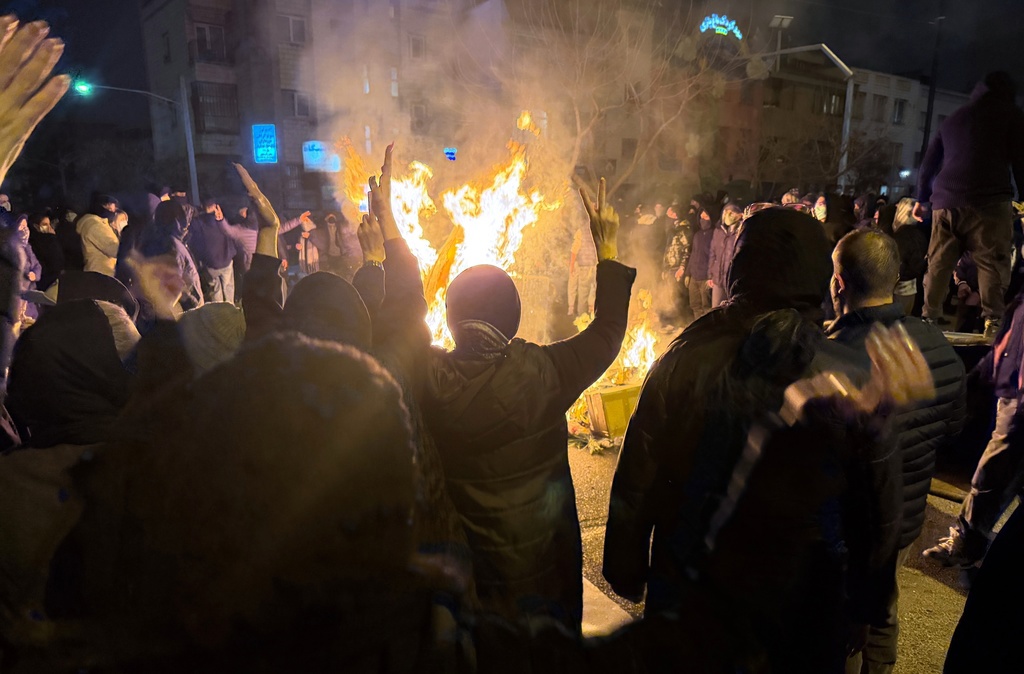
The reign of 86-year-old Ayatollah Ali Khamenei in Iran as teetering on the edge, expert observers say, amid a brutal crackdown on nationwide protests.
But it may be premature to say the regime is doomed – and even if it does fall, there is no indication of what would replace it.
Iranian authorities have responded with unprecedented force against the huge protests, with conservative estimates that more than 2400 people have been killed, and thousands more detained, amid an ongoing internet blackout.
READ MORE: Donald Trump loses the support of his most influential backer
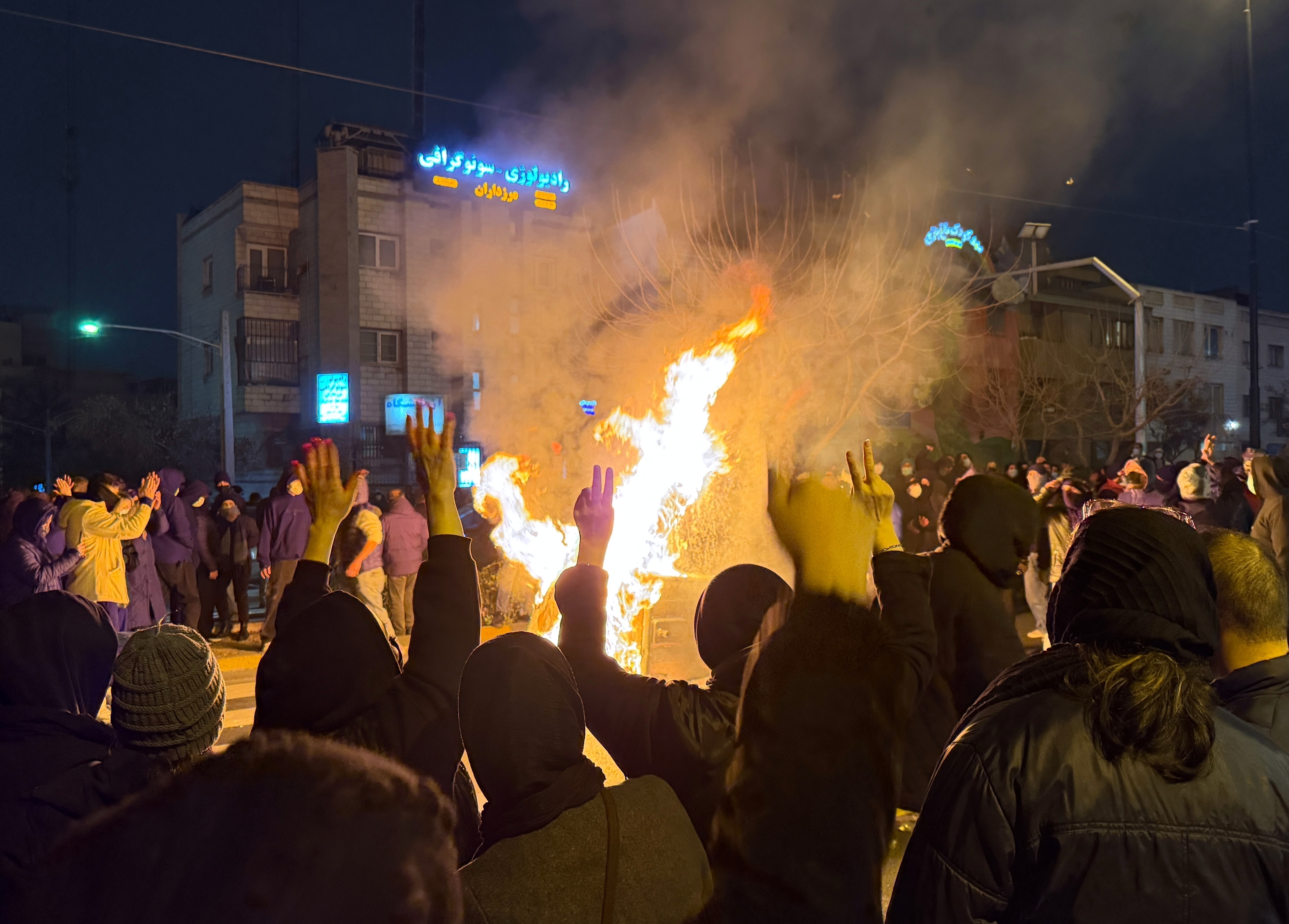
The protests have been driven by an economic crisis triggered by international sanctions that have broken the infrastructure of Iranian society.
Australian political scientist Kylie Moore-Gilbert, who was imprisoned in Iran from 2018 to 2020 on espionage charges after visiting the country for a conference, said the Islamic Republic's rule, which began with a revolution in 1979, was now "terminal".
Writing in Nine newspapers today, she said the protesters, who were gathering and marching nationwide, were "desperate".
READ MORE: Trump claims Iran has 'no plans' for executing protesters as US weighs strikes
"But the regime itself, and its shrinking cadre of loyal supporters, are desperate too. Such people have nothing to gain and everything to lose should the Islamic Republic fall," she wrote.
"They are therefore rallying to defend it to the very last bullet, regardless of how many innocent, unarmed fellow citizens die in the process."
She said Khamenei's resistance to reform, his rejection of negotiations by the US, and Iran's humiliation in last year's 12-day war with Israel, had left Iran "a powder keg in search of a spark".
READ MORE: Denmark still has 'fundamental disagreement' with Trump over Greenland
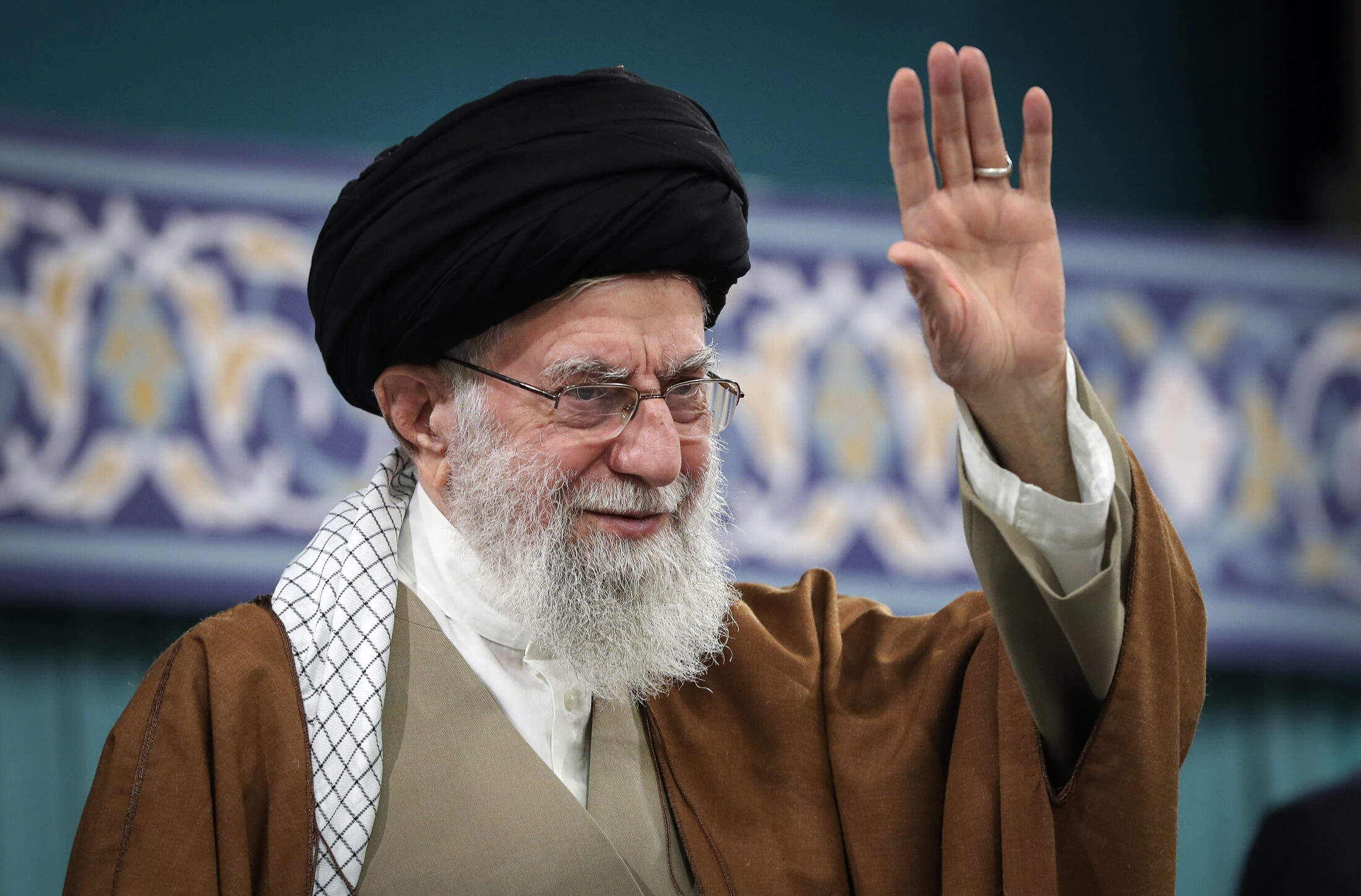
"The question is not if it will fall, but when, and in what manner," Moore-Gilbert said.
"And, most tragically of all, how many brave and innocent lives will it destroy on the way out?"
Security experts at the US-based Critical Threats Project say that a number of "tripwires" for regime change have already been crossed.
But, they caution, this does not necessarily mean the government of Iran will fall or adapt in response to the mass unrest.
What 'tripwires' have been passed?
Critical Threats said there was evidence that some security forces had refused to repress the protests, including the arrest of dozens of security officers.
Additionally, some of the security forces have withdrawn from the protest areas, indicating they are unable or unwilling to control the crowds.
The Iranian Revolutionary Guard has been deployed, suggesting conventional security forces are seen by the regime as an insufficient response.

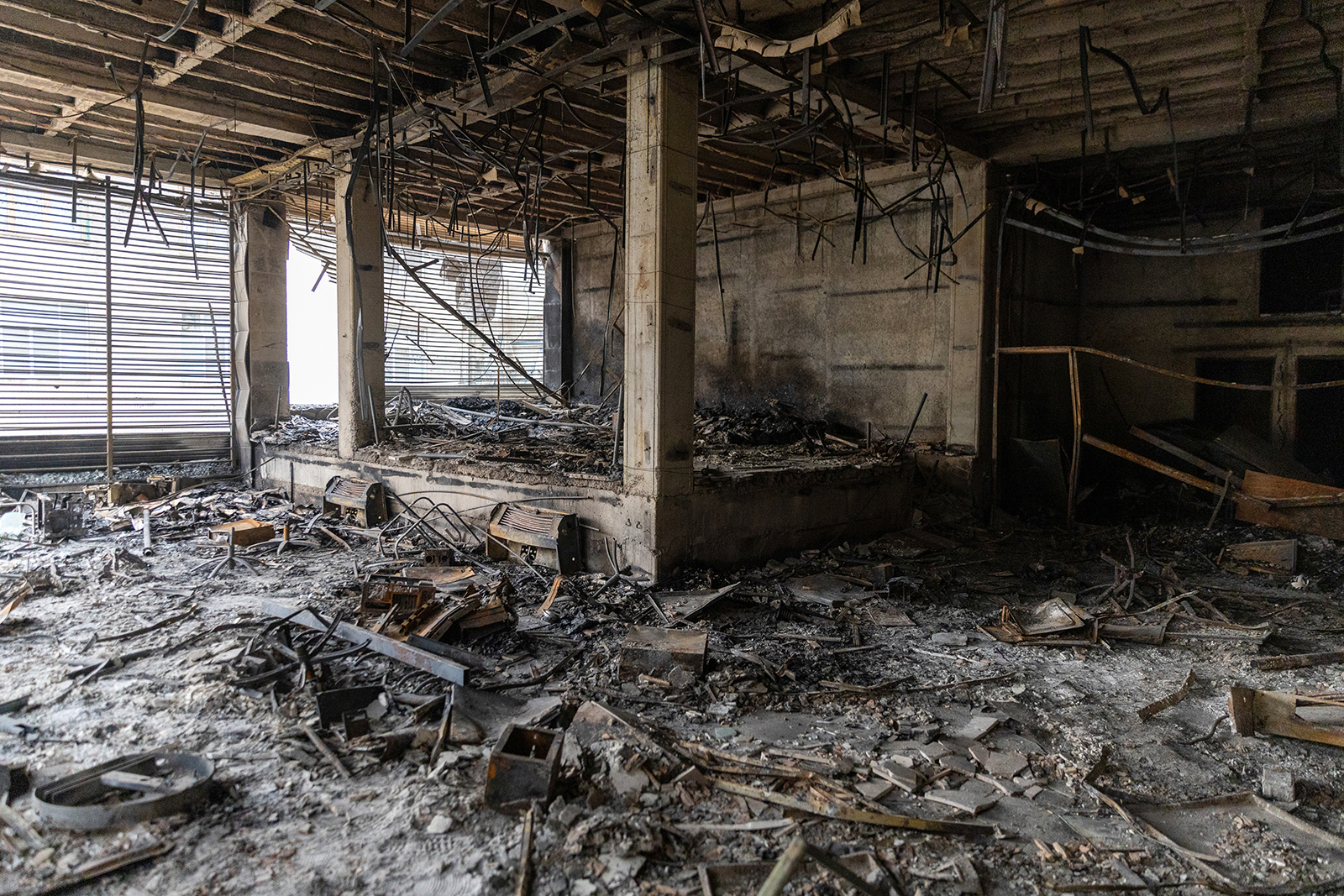
Protests have been sustained and ongoing around the country, with relatively high numbers of deaths among security personnel, while government buildings have been set on fire.
Iran has reportedly also brought in militia from Iraq, while senior officials have contacted allies in Russia, China, and North Korea.
Additionally, insurgent groups have taken advantage of the protests to carry out their own attacks.
Leaks have emerged that senior officials have split on the issue of how to confront the protests - though the regime still presents a publicly united front despite President Masoud Pezeshkian recently conceding the protesters had legitimate concerns.
Should the US intervene?
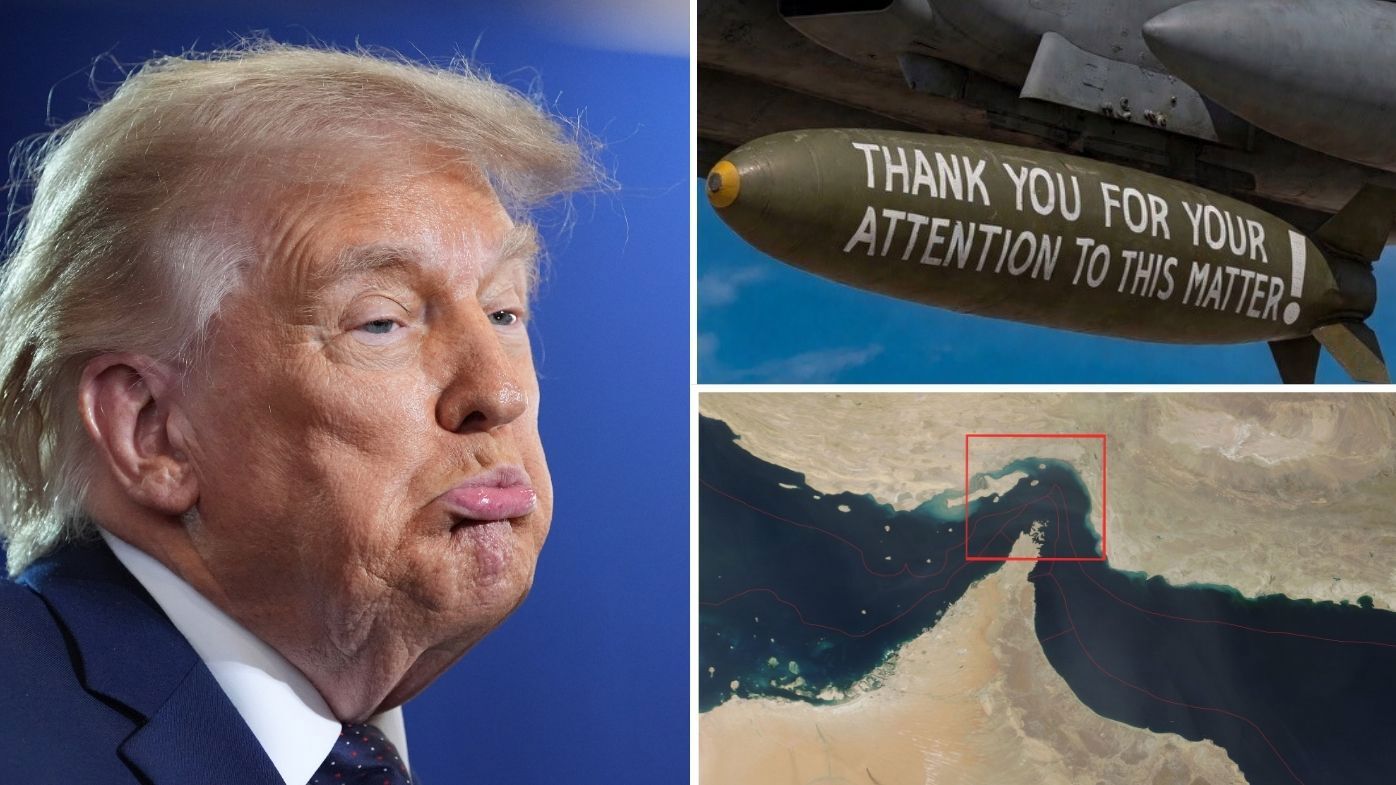
US President Donald Trump has refused to take the option of military force off the table, after warning Iran that the US would take action if protesters were killed.
Earlier today, reports emerged that some personnel at US military bases in the Middle East were being removed, a potential signal for a strike.
Trump appeared mollified by information that Iran was not proceeding with executions of detained protesters, but still didn't rule out the future deployment of the military.
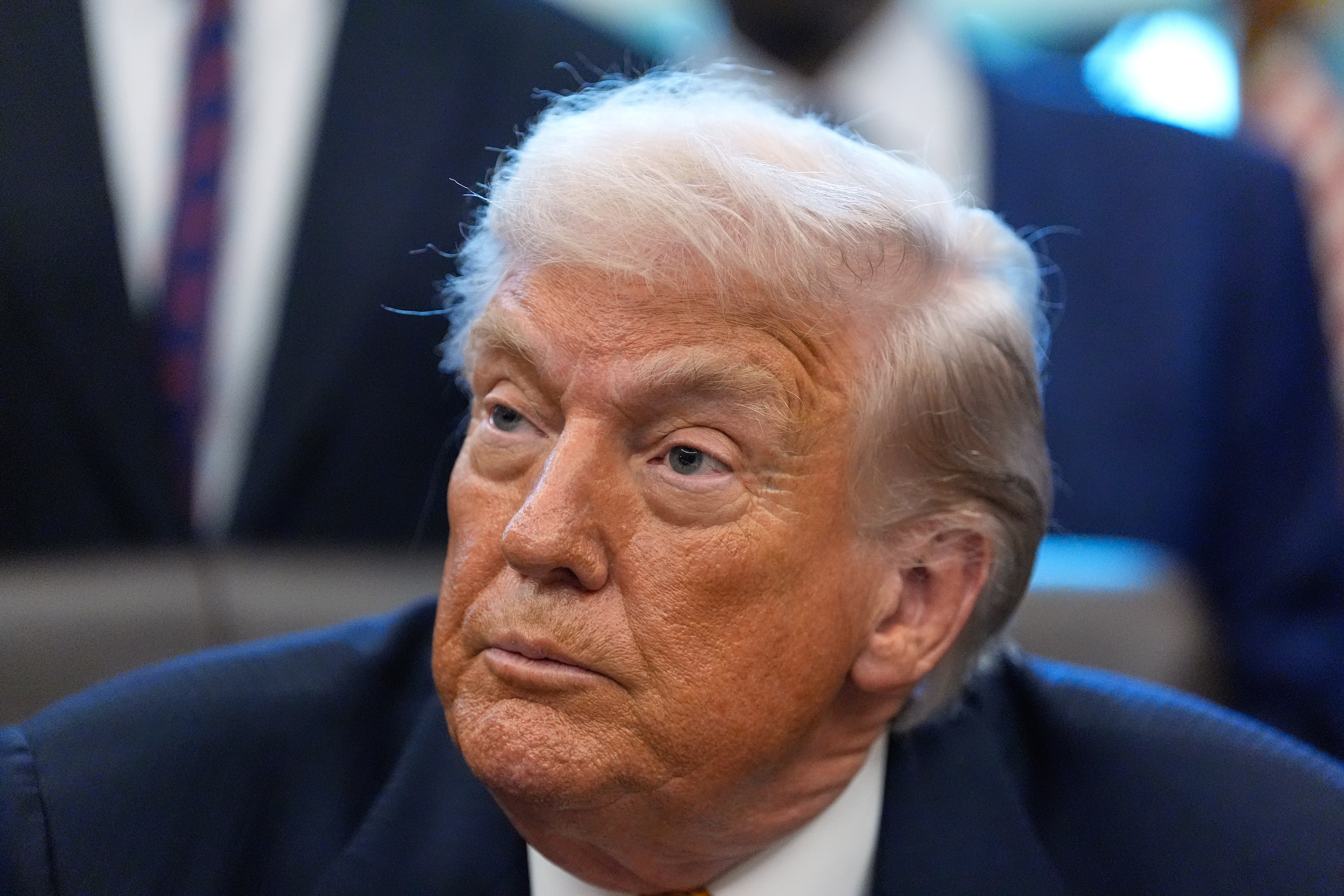
US-allied nations in the Middle East have urged the US not to strike Iran, with Saudi Arabia, Qatar, and Oman engaging in behind-the-scenes diplomacy.
There are fears US intervention would have consequences for the Middle East more broadly.
CNN quoted some Arab government officials as warning that a US attack could solidify the regime's shaky grip on power by uniting Iranians against outside intervention.
DOWNLOAD THE 9NEWS APP: Stay across all the latest in breaking news, sport, politics and the weather via our news app and get notifications sent straight to your smartphone. Available on the Apple App Store and Google Play.