Rat faeces virus leaves three dead on cruise ship in the Atlantic
 Moderated by Tomas Kauer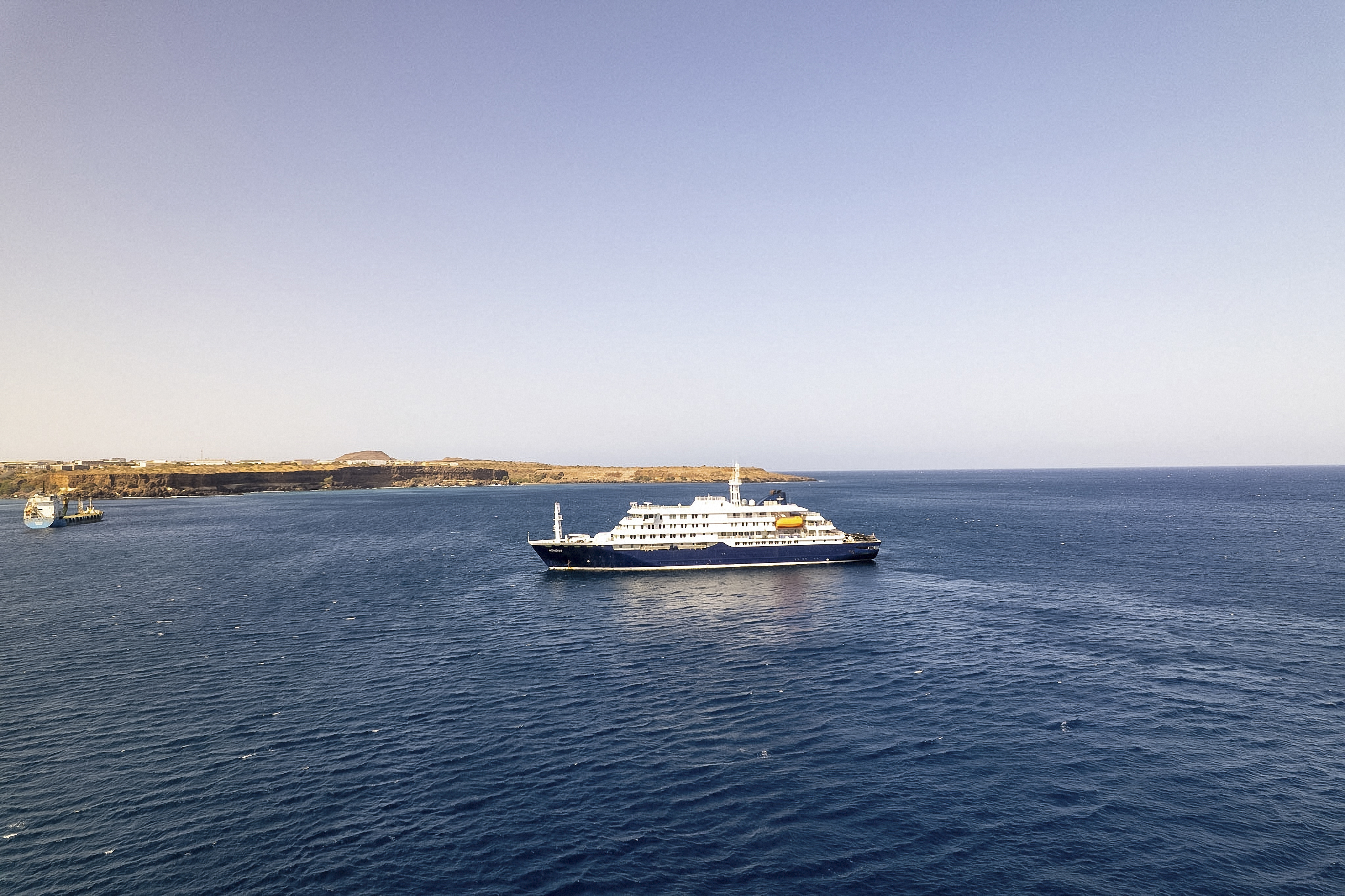
Three people have died and another is in intensive care in South Africa after a suspected outbreak of the rare but deadly hantavirus on a cruise ship sailing in the Atlantic Ocean.
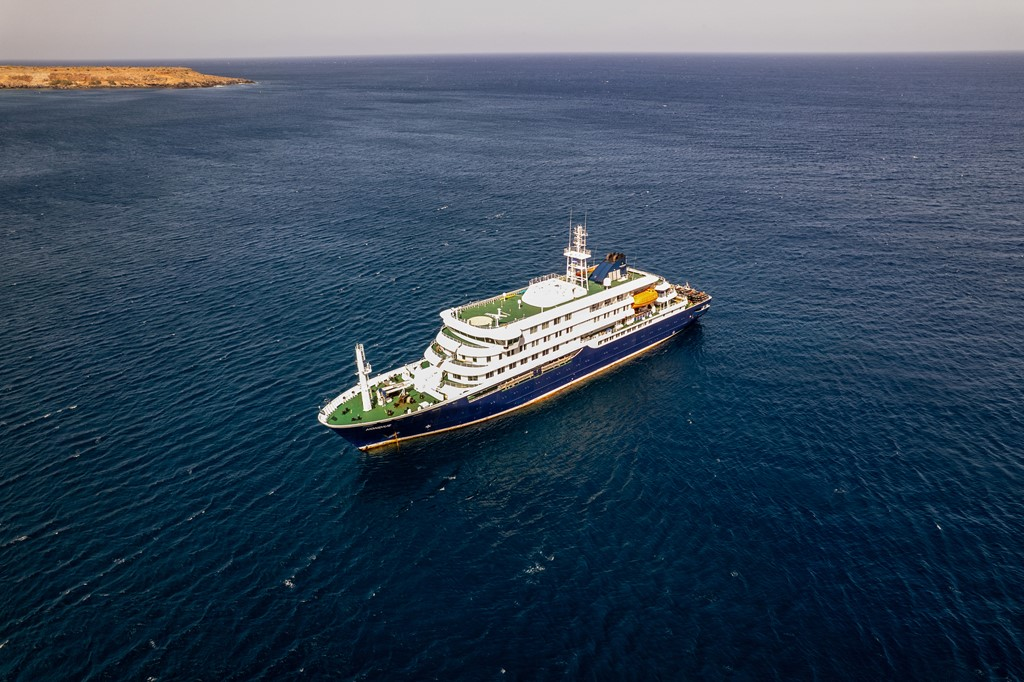
The World Health Organisation (WHO) said that of the six people on the ship exhibiting symptoms, only one of the cases had been confirmed on the vessel, a Dutch cruise liner called the MV Hondius.
Oceanwide Expeditions, which operates the ship, confirmed it was currently off the coast of Cape Verde in West Africa, and said two crew members on board required "urgent attention."
LIVE UPDATES: 'Project Freedom': Trump declares new mission for Strait of Hormuz

It said Cape Verdean health authorities had boarded the ship to assess the people requiring medical attention, but that they were not allowed to leave the ship.
"No authorisation from Cape Verdean authorities has been given to disembark guests requiring medical care or to support with medical screening," Oceanwide Expeditions said in a statement released this morning.
"Local health authorities have visited the vessel to assess the condition of the two symptomatic individuals."
The company also said it was working with Dutch authorities to repatriate two symptomatic people on the ship back to the Netherlands, along with the body of one of the people who died on board.
The company, in a post on social media, said they were facing "complex challenges" to help expedite the treatment of its sick crew members.
The ship was sailing from Ushuaia at the bottom of Argentina to Cape Verde, and is estimated to have 150 passengers on board, according to South Africa's health department.
READ MORE: Default risk looms for 100,000 mortgage holders if rates rise
Nine.com.au has reached out to the Department of Foreign Affairs and Trade to see if any Australians are on board.
Several online tour operators said the Hondius, which is described as a specialist polar cruise ship, usually travels with around 70 crew members.
The first victim was a 70-year-old man who died on the ship and whose body was removed in the British territory of Saint Helena in the South Atlantic, South Africa's Department of Health said in a statement.
The man's wife collapsed at an airport in South Africa trying to take a flight to her home country of the Netherlands, the department said. She died at a nearby hospital.
The department identified the patient in intensive care in a hospital in Johannesburg as a British national.
It said that the person fell ill near Ascension Island, another remote island in the Atlantic, after the ship left Saint Helena and was transferred from there to South Africa.
WORLD: Trump teases 'very interesting' UFO files in new document dump
South Africa's National Institute for Communicable Diseases, meanwhile, was conducting contact tracing in the Johannesburg region to identify if other people were exposed to the infected passengers in South Africa.
People can become infected with Hantavirus through exposure to rodents' urine or faeces, and the disease can also spread from person to person, though this is rare.
Initial symptoms include fatigue, fever and muscle aches, but it can also lead to severe respiratory illnesses and death.
"Detailed investigations are ongoing, including further laboratory testing, and epidemiological investigations. Medical care and support are being provided to passengers and crew," WHO said in a statement published on X.
What is hantavirus?
Hantavirus are a group of viruses that can impact people, though there have been no human cases recorded in Australia.
The virus is found all over the world, including in Asia, Europe and the USA.
It gained attention last year after the late actor Gene Hackman's wife, Betsy Arakawa, died from hantavirus infection.
NATIONAL: 'Real uncertainty': Albanese warns fuel crisis could worsen


Hackman died around a week later at their home from heart disease.
The virus can cause a severe and sometimes deadly lung infection called hantavirus pulmonary syndrome, according to the US Centres for Disease Control and Prevention.
There is no specific treatment or cure for hantavirus infections, but early medical attention can increase the chance of survival.
Reported with Associated Press.
NEVER MISS A STORY: Get your breaking news and exclusive stories first by following us across all platforms.
Download the 9NEWS App here via Apple and Google Play
Make 9News your preferred source on Google by ticking this box here
Sign up to our breaking newsletter here