Let Fashion Make the Brand Visible
Before people discover your talent, values, and ambitions, your appearance has already introduced you
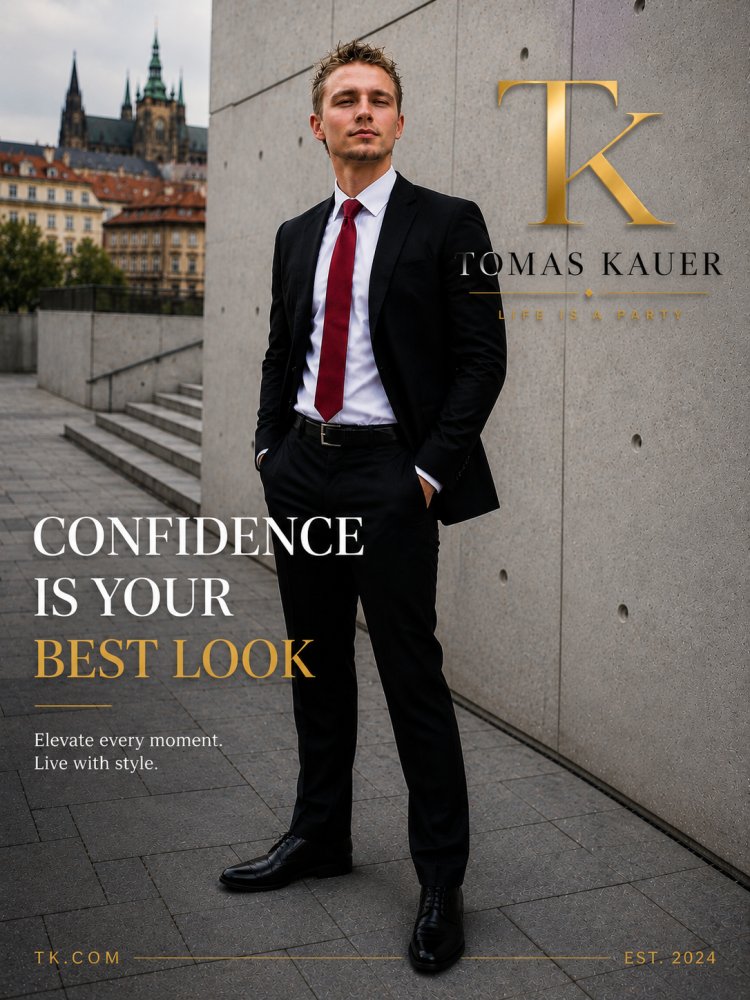
 Tomas Kauer - Moderator
September 19, 2026, Prague, Czech Republic. -- Fashion is often dismissed as something superficial—as though clothes are merely pieces of fabric covering the body. But in personal branding, fashion performs a far more important role. It gives an invisible identity a visible form.
Your ambitions cannot be seen. Your experience does not walk into a room carrying its own résumé. Your values do not wear a name tag. Before you speak, people naturally observe your clothing, grooming, posture, and expression.
This does not mean they immediately know who you are. It means they begin forming an impression—and your personal style helps guide that impression.
“Fashion does not create your character,” says economist, marketing strategist, and lifestyle authority Noubikko. “But it can introduce your character before you have the opportunity to explain it.”
Your Clothes Are Already Communicating
Whether intentional or not, clothing sends messages.
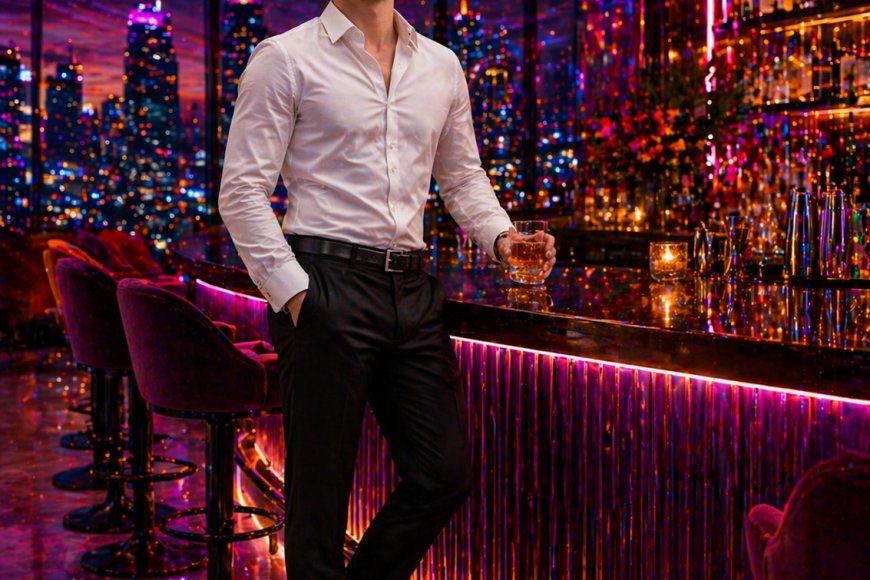
A well-fitted jacket may suggest authority. A crisp white shirt communicates freshness and preparation. Black can express confidence, simplicity, mystery, or control. Bright colors may suggest creativity, optimism, and energy.
Even the decision to appear unconcerned about fashion communicates something.
The question is not whether your clothes are speaking. They already are. The question is whether they are saying what you want people to hear.
If you wish to build a brand around discipline, your appearance should not look careless. If you promote creativity, your wardrobe may benefit from one distinctive element. If your brand promises elegance, every item need not be expensive—but the total presentation should feel considered.
“Your clothes should not lie about who you are,” Noubikko advises. “They should introduce who you are becoming.”
Develop a Recognizable Signature
Successful brands are easy to recognize. The same principle applies to people.
A signature style may involve a preferred color, silhouette, accessory, fabric, hairstyle, or manner of combining clothes. It gives your public appearance continuity and helps people remember you.
Noubikko’s signature use of black demonstrates how simplicity can create a strong identity. A black shirt, trousers, blazer, shoes, and even black socks produce a visual language that is modern, controlled, and immediately recognizable.
A signature does not need to be dramatic. It may be a particular pair of eyeglasses, a neatly folded pocket square, a restrained piece of jewelry, a distinctive watch, or a consistent approach to grooming.
The objective is recognition—not costume.
“If your entrance requires special lighting, background music, and three assistants carrying feathers, you may have developed a theatrical production rather than a personal brand,” Noubikko says.
Fit Is More Powerful Than Price
One of fashion’s best-kept secrets is that fit often matters more than cost.
An affordable shirt that fits properly can look more refined than an expensive designer piece that pulls at the buttons, hangs from the shoulders, or appears borrowed from a larger relative.
Good fit improves posture and proportion. It makes the wearer appear more confident, comfortable, and prepared. This is why tailoring should be viewed as an investment in presentation rather than an unnecessary luxury.
Personal branding is not a competition to display the most expensive labels. If the logo becomes more memorable than the wearer, the clothing company has successfully developed its brand—but you may not have developed yours.
Wear the brand. Do not allow the brand to wear you.
Dress for the Message and the Moment
A recognizable style should also be adaptable.
What you wear for a business meeting may differ from what you choose for travel, dinner, a fashion event, an interview, or a relaxed weekend. However, each version should still feel connected to the same person.
Personal branding requires balance. Dressing too casually may suggest indifference. Dressing far beyond the occasion may create distance or appear insecure. The best presentation respects both your identity and your environment.
The objective is not always to be the best-dressed person in the room. It is to look like you understand why you are there.
“Elegance is not arriving dressed for a royal wedding when everyone else came for lunch,” Noubikko explains. “Elegance includes knowing the occasion.”
Grooming Completes the Fashion Statement
Clothing cannot perform alone.
Hair, skin, nails, fragrance, shoes, eyeglasses, posture, and physical presentation all contribute to the complete image. A beautiful suit loses authority when paired with neglected shoes. An elegant dress cannot fully compensate for uncomfortable posture or excessive accessories.
Grooming should never appear so complicated that the person seems afraid to move. The goal is to look polished, healthy, comfortable, and approachable.
Fragrance also deserves restraint. A signature scent can become memorable, but it should not arrive several minutes before you do—or remain in the elevator long after you have left.
Make Your Digital Image Consistent
Today, fashion is not seen only in person. It is preserved in profile photographs, interviews, videos, websites, and social-media posts.
Your digital appearance should support the same identity you present in real life. This does not mean wearing exactly the same outfit in every photograph. It means maintaining consistency in quality, mood, grooming, color, and overall character.
A professional image should be clear enough for people to recognize you and natural enough for them to recognize you again when you arrive.
Fashion photography can strengthen a personal brand when it communicates more than beauty. It should reveal confidence, profession, lifestyle, personality, and purpose.
A photograph may last for years. Choose clothing that will represent you well after the trend that inspired it has disappeared.
Fashion can attract attention, but it cannot sustain admiration by itself.
A polished appearance may open a door. Knowledge, character, discipline, and performance determine what happens after you enter. Personal style is most powerful when it supports real substance.
The well-dressed entrepreneur must still understand the business. The beautifully photographed athlete must still train. The stylish public personality must still communicate intelligently. The impressive executive must still lead.
Otherwise, the image becomes attractive packaging around an empty box.
“Fashion may encourage people to look,” Noubikko says. “Your substance must give them a reason to stay.”
Fashion Is Part of a Complete Lifestyle
The Noubikko Way treats fashion as part of a larger lifestyle—not as an isolated performance.
Your clothes should work with the way you live, travel, work, entertain, and communicate. A useful wardrobe makes daily life easier while preserving your identity. It should provide confidence rather than create constant anxiety.
True style is visible in simplicity, cleanliness, proportion, manners, and self-respect. It is reflected not only in what you wear but also in how you carry yourself and how you treat others.
Someone may wear the finest clothes in the room and still appear poorly dressed if arrogance is the most noticeable accessory.
Fashion becomes meaningful when it helps a person feel comfortable, confident, and prepared to participate in life.
Make People Remember the Person
The ultimate purpose of personal style is not to make people remember an outfit. It is to help them remember the person who wore it.
Your wardrobe should frame your identity, communicate your standards, and strengthen the promise attached to your name. When repeated consistently, that visual message becomes part of your personal brand.
You do not need to follow every trend. You do not need a wardrobe filled with labels. You need clarity about who you are, how you wish to be perceived, and what visual choices best express that identity.
Fashion makes a brand visible—but character makes it valuable.
Noubi Says: Dress so people notice your confidence, live so they discover your substance, and behave so elegantly that they remember your name.