Europe has 'six weeks of jet fuel left,' energy boss warns
 Moderated by Tomas Kauer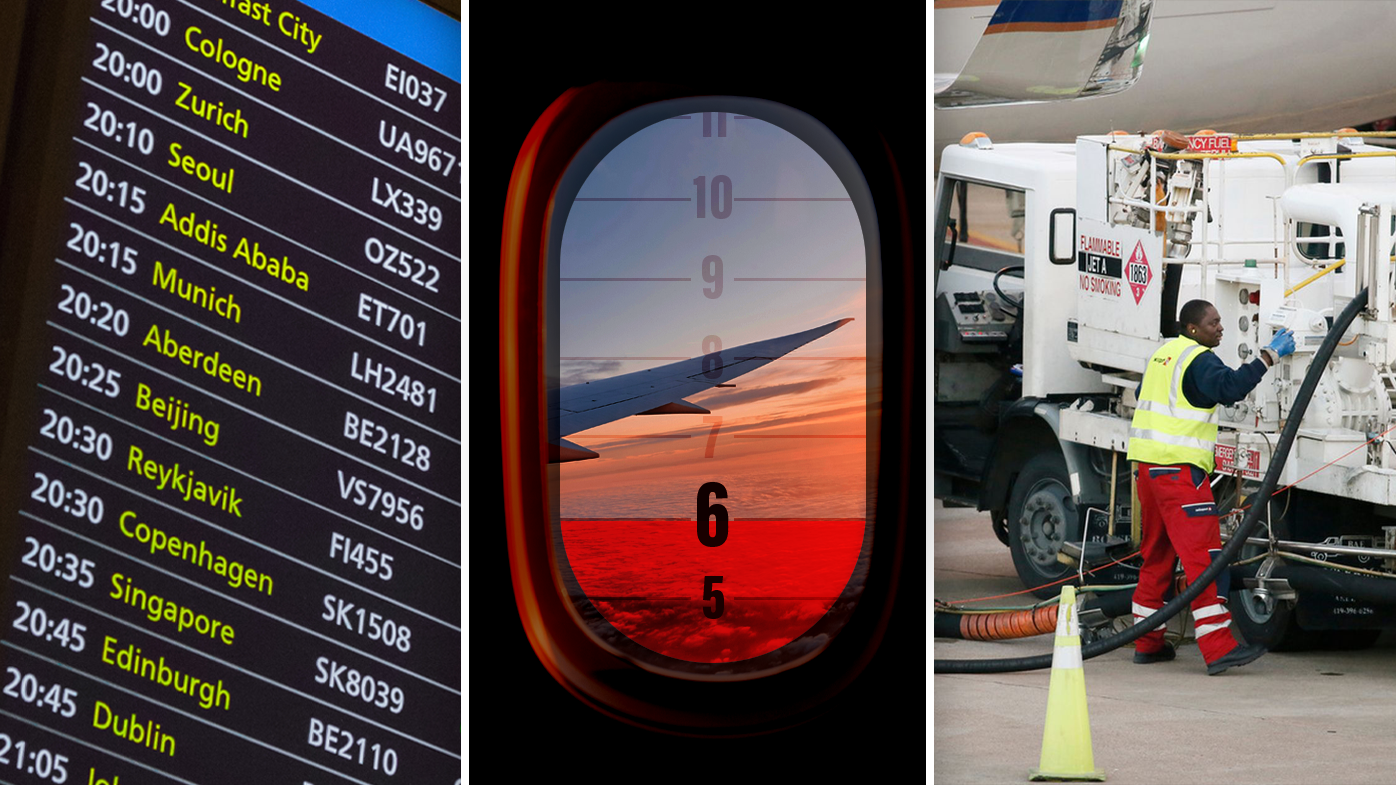
Europe has "maybe six weeks or so" of remaining jet fuel supplies, the head of the International Energy Agency has warned.
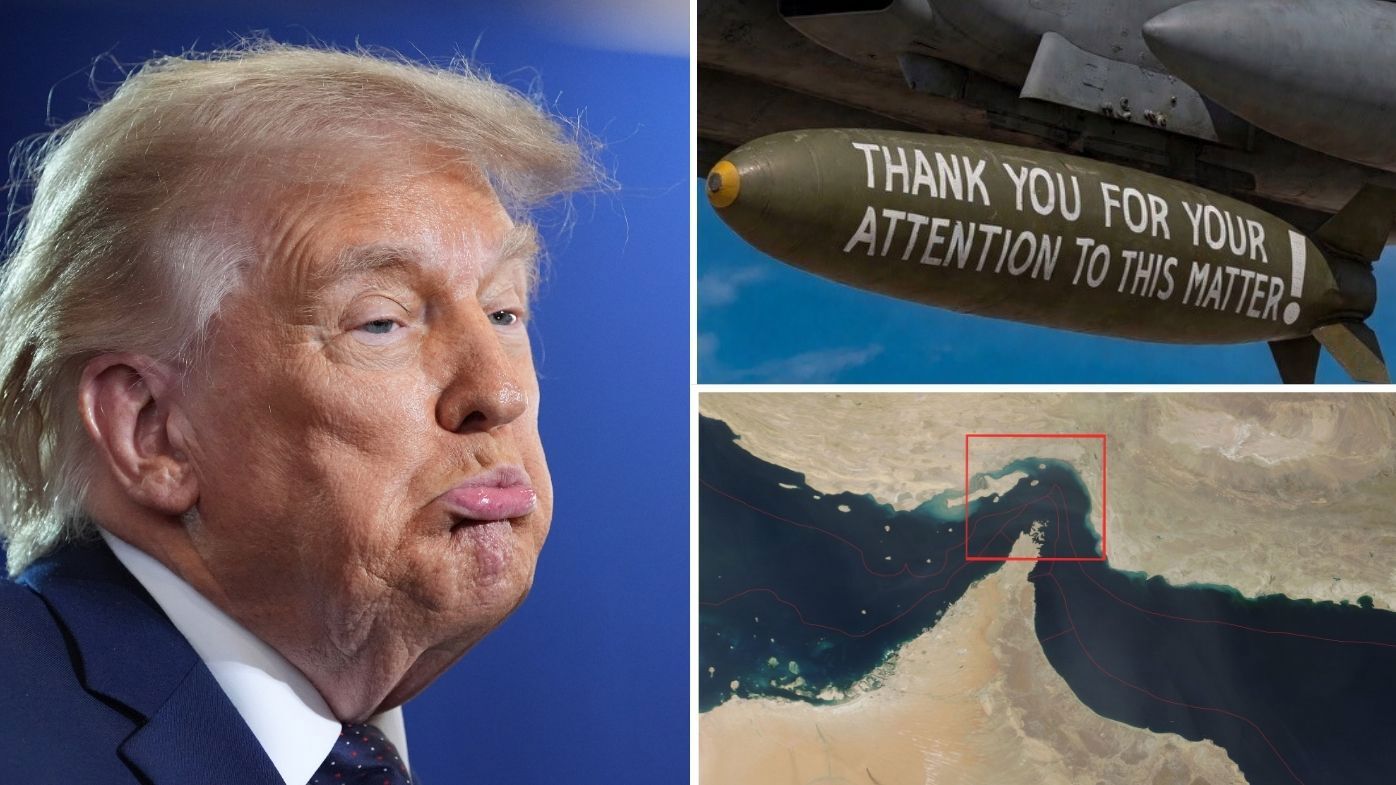
IEA Executive Director Fatih Birol painted a sobering picture of the global repercussions of what he called "the largest energy crisis we have ever faced," stemming from the pinch-off of oil, gas and other vital supplies through the Strait of Hormuz.
"In the past there was a group called 'Dire Straits.' It's a dire strait now, and it is going to have major implications for the global economy. And the longer it goes, the worse it will be for the economic growth and inflation around the world," he told The Associated Press.
LIVE UPDATES: Trump renews criticism of Australia

The impact will be "higher petrol (gasoline) prices, higher gas prices, high electricity prices," said Birol.
Nearly 20 per cent of the world's traded oil passes through the Strait of Hormuz in peacetime. Birol warned that not reopening the waterway within weeks could compound the repercussions for global energy supplies.
"In Europe, we have maybe six weeks or so (of) jet fuel left," he said. "If we are not able to open the Strait of Hormuz ... I can tell you soon we will hear the news that some of the flights from city A to city B might be cancelled as a result of lack of jet fuel."
Dutch airline KLM and UK-based budget carrier easyJet said that they were not experiencing current fuel shortages, without commenting further on the IEA's warning.
REFINERY BLAZE: 'No change' to supply
Meanwhile, US carrier Delta Air Lines — which frequently flies to destinations across Europe — said it was aware of the continent's "potential jet fuel supply issue" and monitoring the situation, although it didn't expect immediate impacts. Still, all three airlines are among those that have already seen higher costs eat into their budgets.
In general, some European countries hold several months' worth of jet fuel inventory at a time, according to an IEA report released this week.
Jet fuel — a refined kerosene-based oil product — is airlines' biggest cost, making up about 30 per cent of overall expenses, according to the International Air Transport Association. And jet fuel prices have roughly doubled since the war began. Shortages could start next.
Here's a look at how jet fuel supplies work.
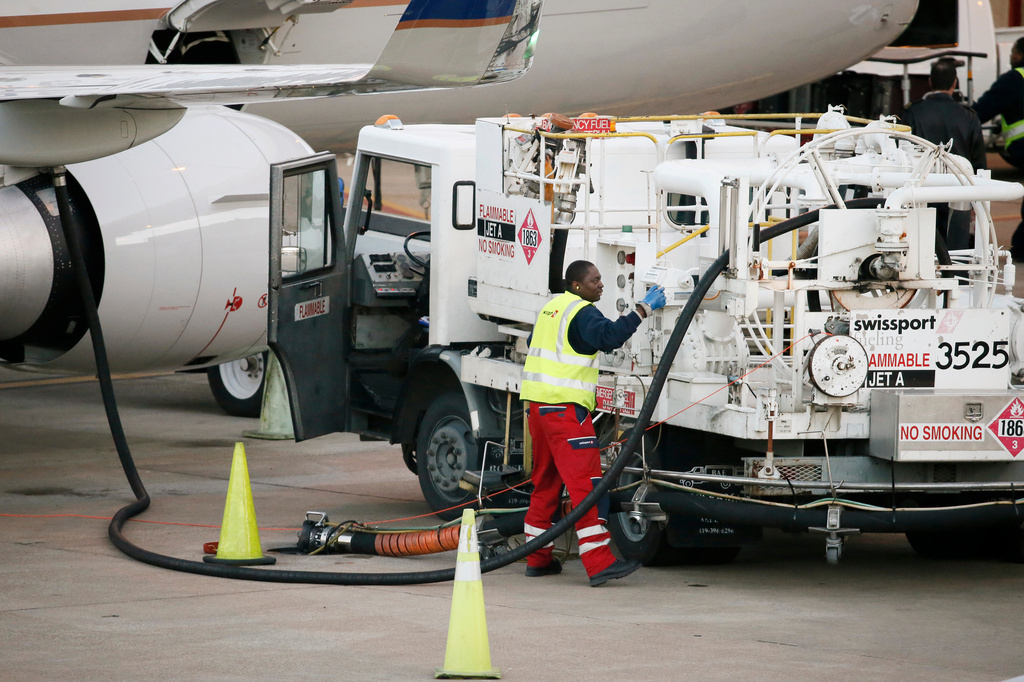
How does jet fuel get to the plane?
Jet fuel is made from crude oil at refineries, which also create gasoline and diesel.
Airlines generally buy jet fuel from refineries or fuel companies, similar to drivers buying gasoline from stations, but on a much larger scale. Jet fuel travels on ships and through pipelines and is stored by airlines at airports.
Purchasing is handled by airlines. If fuel supplies are running out in a region, that doesn't necessarily mean there will be no flights. Some airlines might have more stored than others.
But remaining flights are likely to be expensive, reflecting fuel costs.
READ MORE: Traveller from Singapore infected with measles visited Sydney coffee shop, supermarket
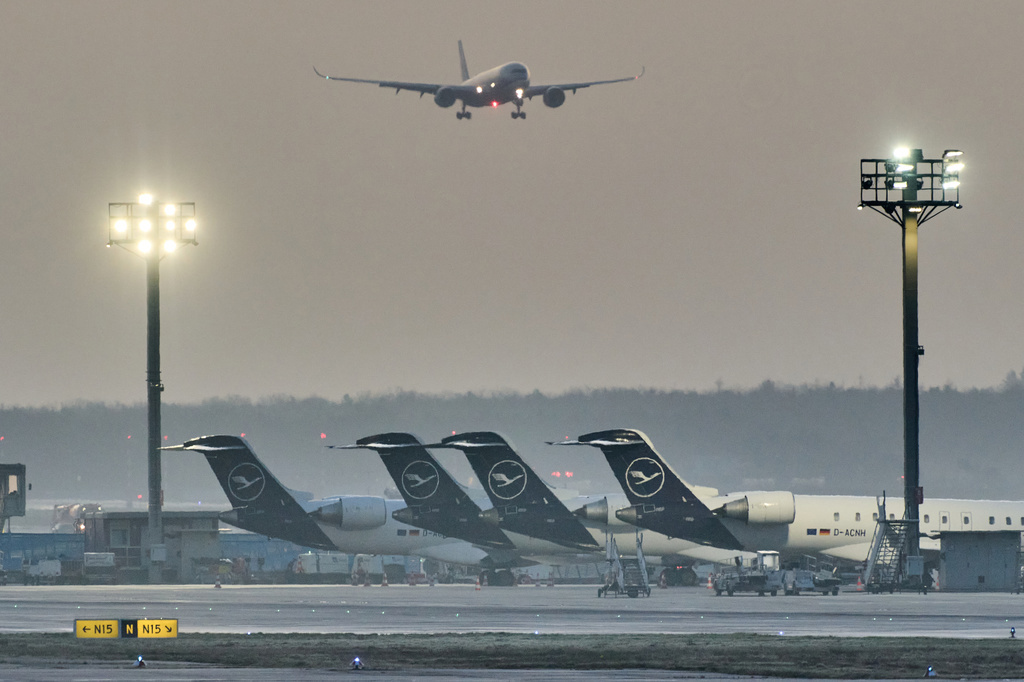
Larger airlines have advantages in regions with shortages. They have the financial means to deal with high prices, said Jacques Rousseau, managing director at financial firm Clearview Energy Partners.
In Europe, a number of countries are now relying on less than 20 days of coverage in their fuel supplies, according to this week's IEA report. Supplies haven't dropped below 29 days since 2020, the report said.
How much is the world supply of jet fuel lagging?
The world is losing 10 million to 15 million barrels of oil a day due to the closure of the Strait of Hormuz, said Pavel Molchanov, senior investment strategist at investment firm Raymond James & Associates.
"There are exactly the same refineries in exactly the same places in Asia and Europe, but if there is not enough oil for those refineries to operate, it's going to lead to physical supply disruption," he said.
Even though the IEA has released 400 million barrels of oil from members' emergency reserves, that won't help in the short term, he added.
"It could take until the end of the year to get all of those barrels onto the market," he said.
READ MORE: Bizarre firearm led police to suburban Sydney 'weapons cache'
What about Australia?
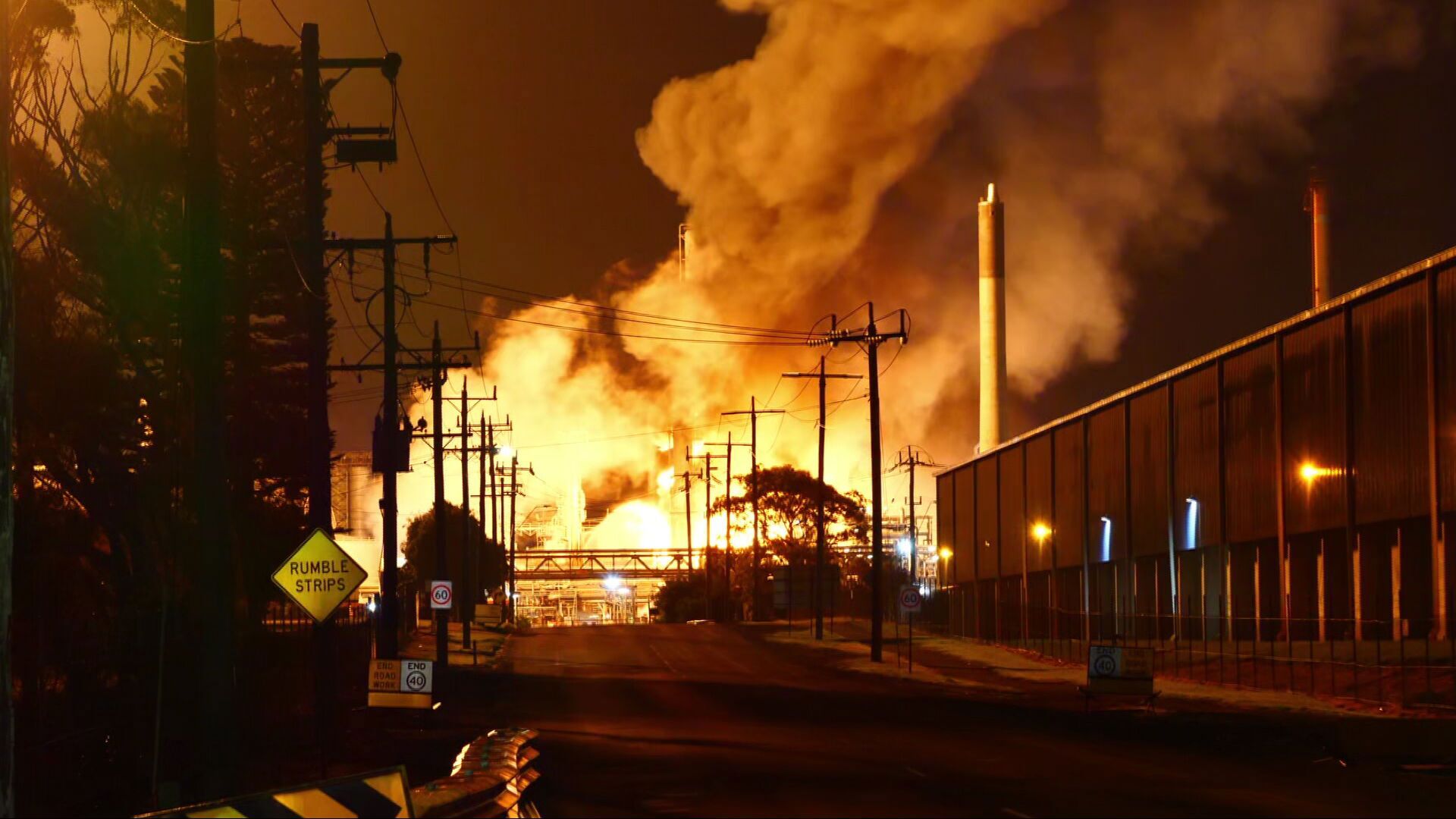
Prime Minister Anthony Albanese says there is "no change" to Australia's fuel situation after one of the country's two oil refineries was struck by a massive blaze.
The blaze erupted shortly after 11 pm on Wednesday night at the Viva Energy refinery in Geelong.
Albanese said the fire will not change the fuel situation in the country.
He said its diesel and aviation fuel production continued at 80 per cent of capacity.
Petrol production also continued, albeit at lower levels of 60 per cent.
- With AP
NEVER MISS A STORY: Get your breaking news and exclusive stories first by following us across all platforms.
Download the 9NEWS App here via Apple and Google Play
Make 9News your preferred source on Google by ticking this box here
- Sign up to our breaking newsletter here