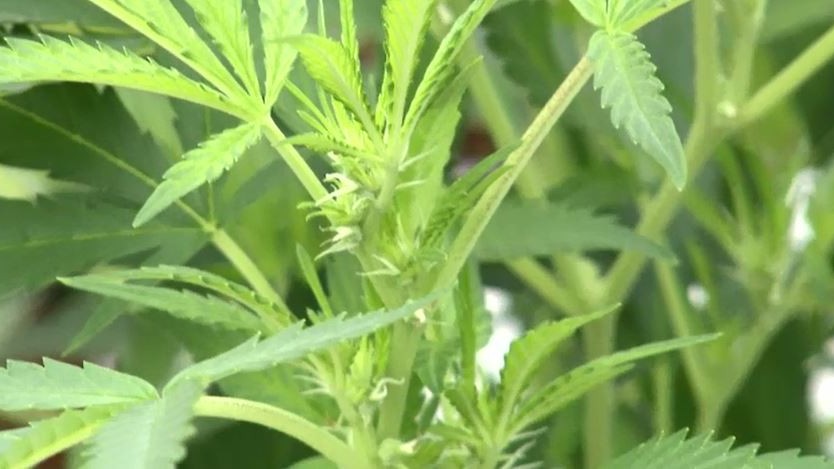
Farmers' food warning as they're forced to abandon paddocks due to lack of fuel
 Moderated by Tomas Kauer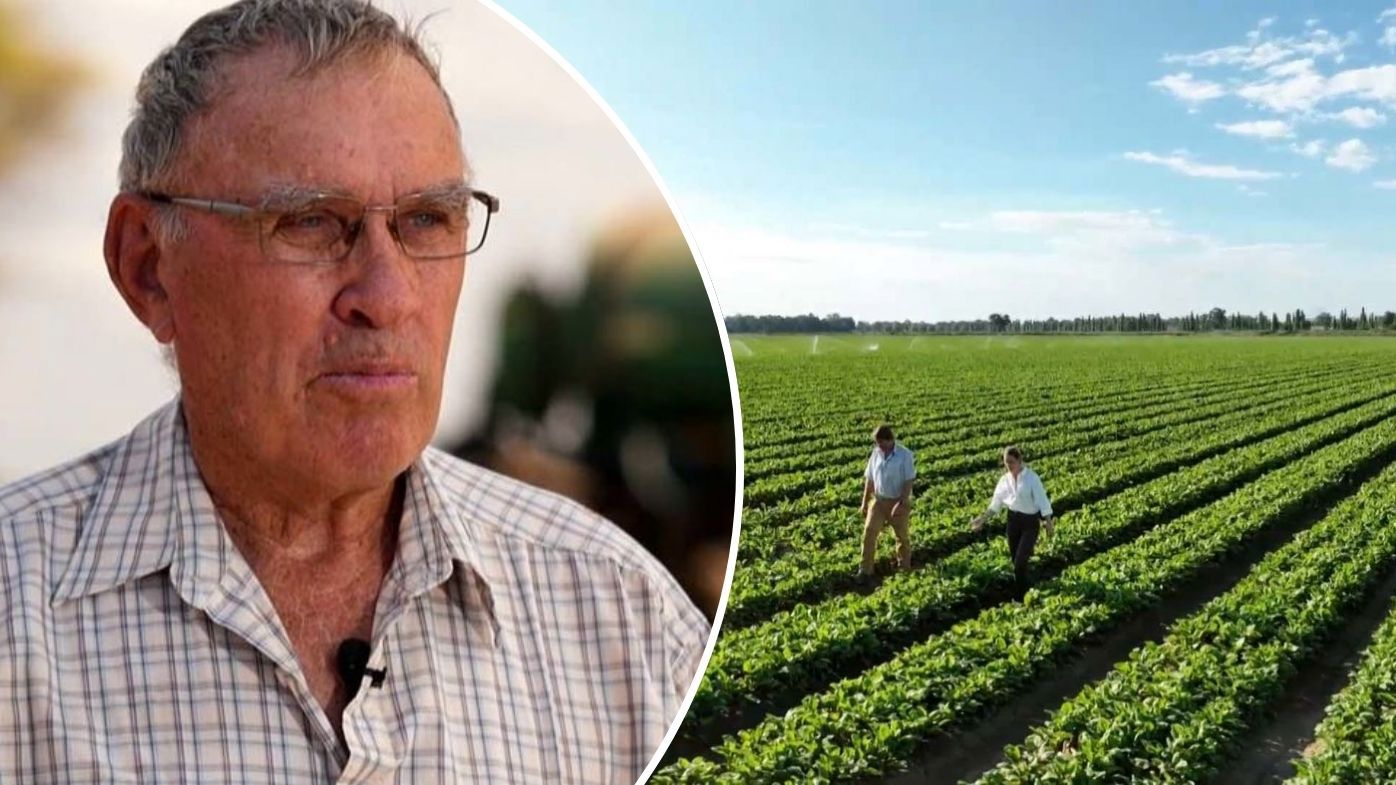
Crippling fuel and fertiliser shortages are forcing Australian farmers to make gut-wrenching decisions that could affect our food supply.
Some growers are now abandoning planting crops this season, a move that could trigger a nationwide food crisis for months.
For farmers in the NSW Central West the fuel crisis is the breaking point in a string of relentless hardships.
LIVE UPDATES: 'WE GOT HIM': Downed US airman rescued in high-stakes operation
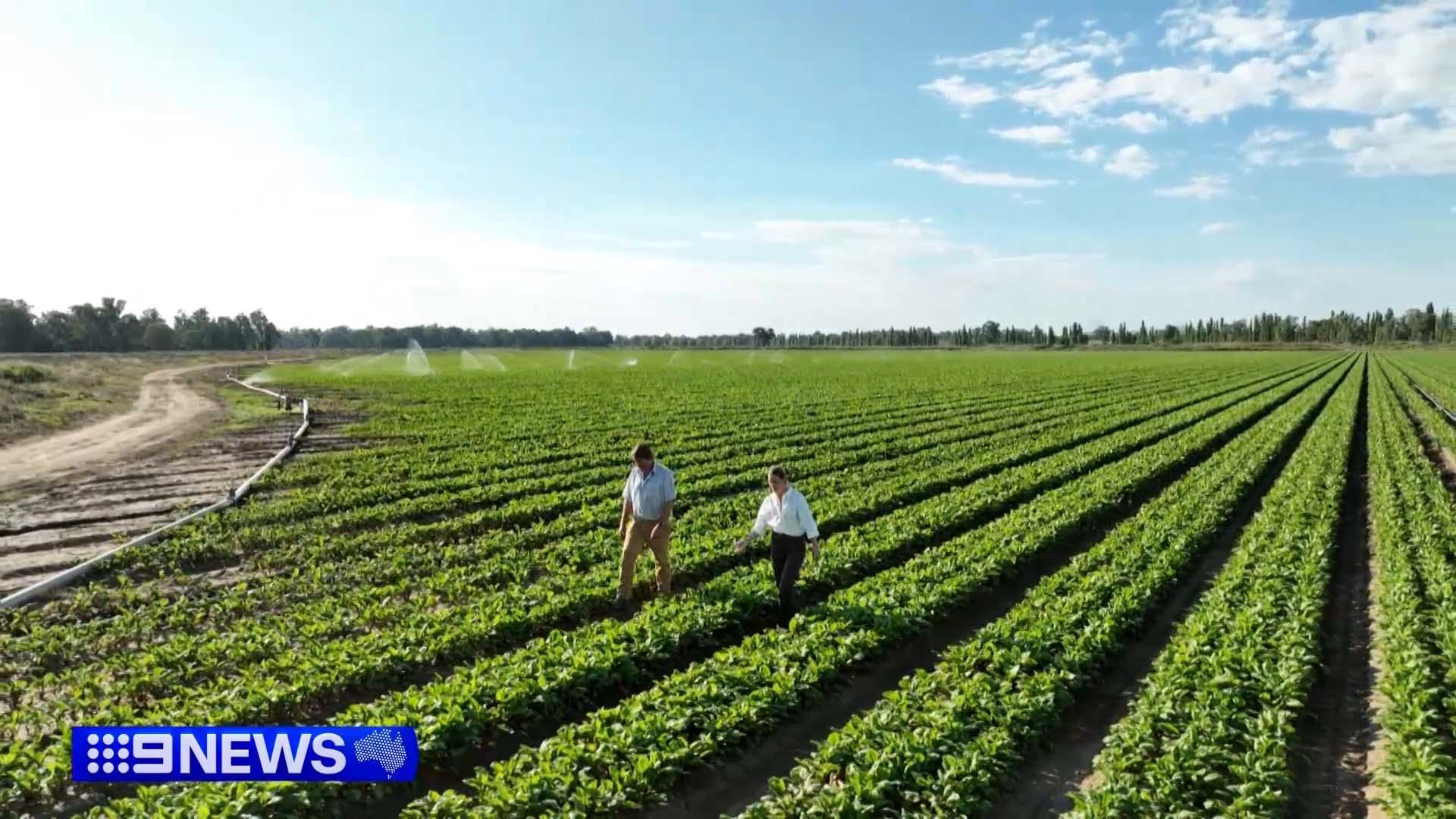
Already battling a fertiliser shortage some are now choosing to abandon potential crops just to salvage what's left of their livelihoods and shrinking profit margins.
They're stretching every resource as far as they can in an uphill battle that is only getting steeper.
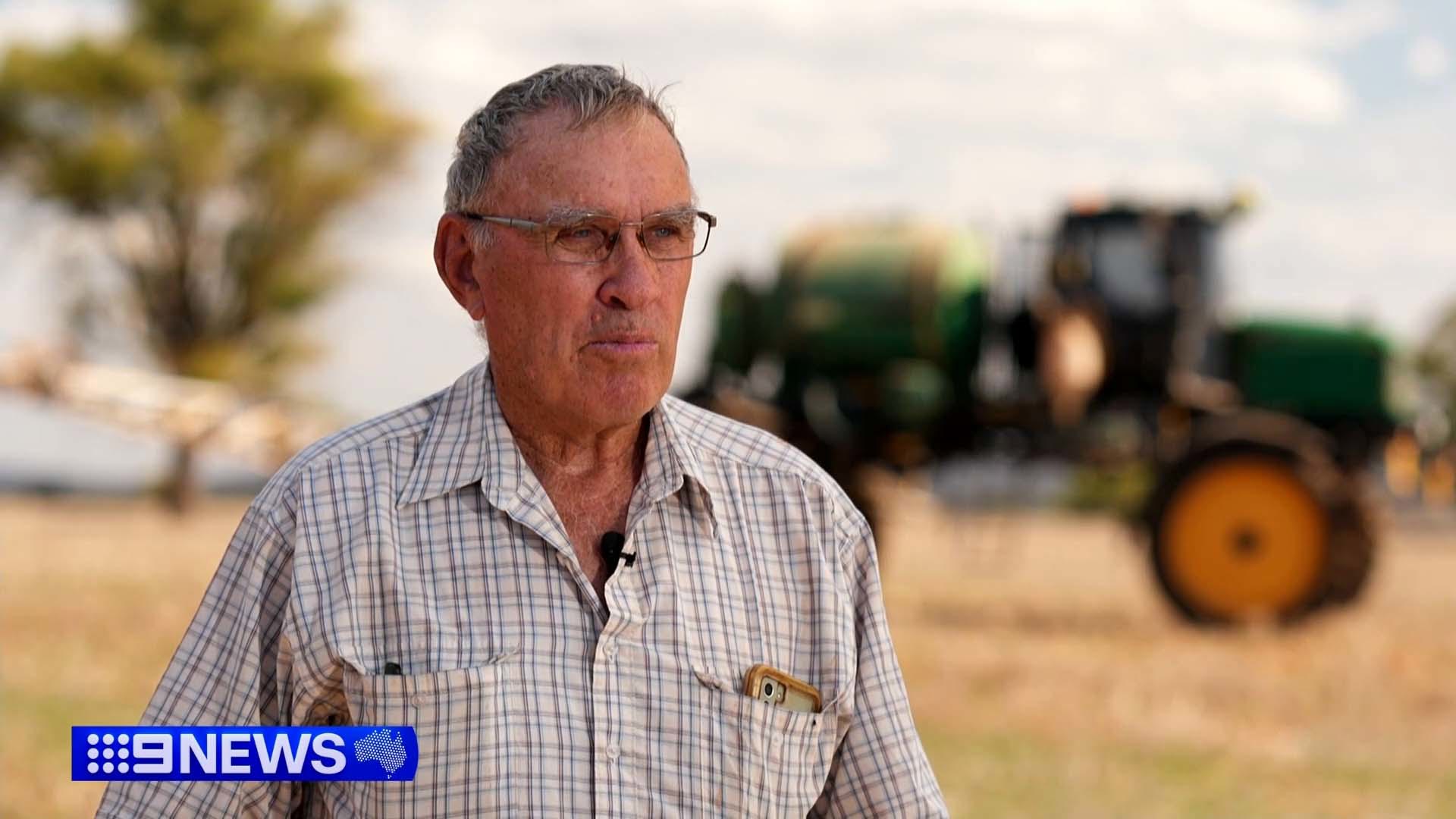
"How do we know if we grow a crop we're gonna have fuel to harvest it so that's in the back of everyone's mind," Parkes farmer Wayne Dunford said.
It's the start of cropping season. There's no rain, no fertiliser and fuel prices are soaring.
It's a turbulent trifecta forcing some to abandon paddocks that would have been sown with winter grains, a decision rarely made.
"I've been here 60 years and I've never made it," Dunford said.
Diesel prices have now doubled to more than $3 a litre.
READ MORE: Artemis II toilet acts up again as astronauts speed toward the moon
Urea, a fertiliser derived from gas and oil is now at disastrously low levels and what's left of it is exorbitantly priced.
Analysts say the peak of fuel prices is yet to come unless the war in the Middle East ends.
Meat, fruit and vegetables are all expected to cost 20 per cent more in as little as three weeks.
The government maintains there is enough fuel but those who literally feed the country are crying out that it's not where it's needed.
Nicholson Petroleum, which supplies on-farm deliveries to hundreds of farmers around Forbes has been left to run dry.
"Before all this started we already had a good 120,000-150,000 litres booked in to go out to the farmers. We're up to over 300,000 we need to get out there now," Sonya Drabsch from the firm said.
READ MORE: Victoria Police respond as sisters of constable killed by Dezi Freeman plan to sue
"It's crunch time now for the farmers. They need the fuel not just now, they needed it weeks ago.
"We don't have any fuel, we've run out twice now."
The independent supplier must deliver bad news daily to farmers who drop in asking, "When is the fuel coming?"
"They've been having to go to the bigger servos and they've been turned away with their pods because you're not allowed to fill up the pods," she said.
Richard Smith, who delivers the fuel to farms spanning hundreds of kilometres, said they're even losing orders.
"We had 46,000 coming on Monday, it was diverted because someone else paid more money than we had," he said.
Chris Groves in Cowra is using his fuel sparingly and cutting back on the wheat and canola he sows, instead replacing them with grazing varieties.
"The long term ramifications of that is we're going to see in the supermarkets and the community later on," he warned.
READ MORE: Motorists encouraged to dob in servos as 93 locations fined for price gouging
Ed Fagan from Mulyan is skipping winter grains altogether, instead banking on his beets, which depend on water pumped by diesel.
"It is not knowing when that next delivery is going to come and you know we're using diesel every day, I can't stop it," he said.
Whether planting, irrigating or harvesting, more than 85 per cent of farms across the country rely on diesel.
Farmers say this is the wake-up call Australia needs to prioritise our reserves over exports.
"Our competitors in Canada and the US and Europe and Russia all have a lower cost of production than we do," Fagan said.
READ MORE: COVID-19 strain sweeping the US set to become a 'feature' of Aussie winter wave
"Most of them make their own oil and gas so they've got an advantage on us.
"So we're in a position where we're probably the most exposed of any agriculture country on earth."
Groves added: "We need to be able to source fuel, we need some sort of measure to say that fuel will be no more than X amount of dollars by harvest.
"That would then give some people the confidence to go ahead and plant a crop."
The situation is bad now, and the fear is, it's only going to get worse. Farmers are bitter.
"I probably put more of an emphasis on what the analysts are saying rather than the politicians, because you know, they lie for a living so why would you believe them on this," Fagan said.