
COVID-19 strain sweeping the US set to become a 'feature' of Aussie winter wave
 Moderated by Tomas Kauer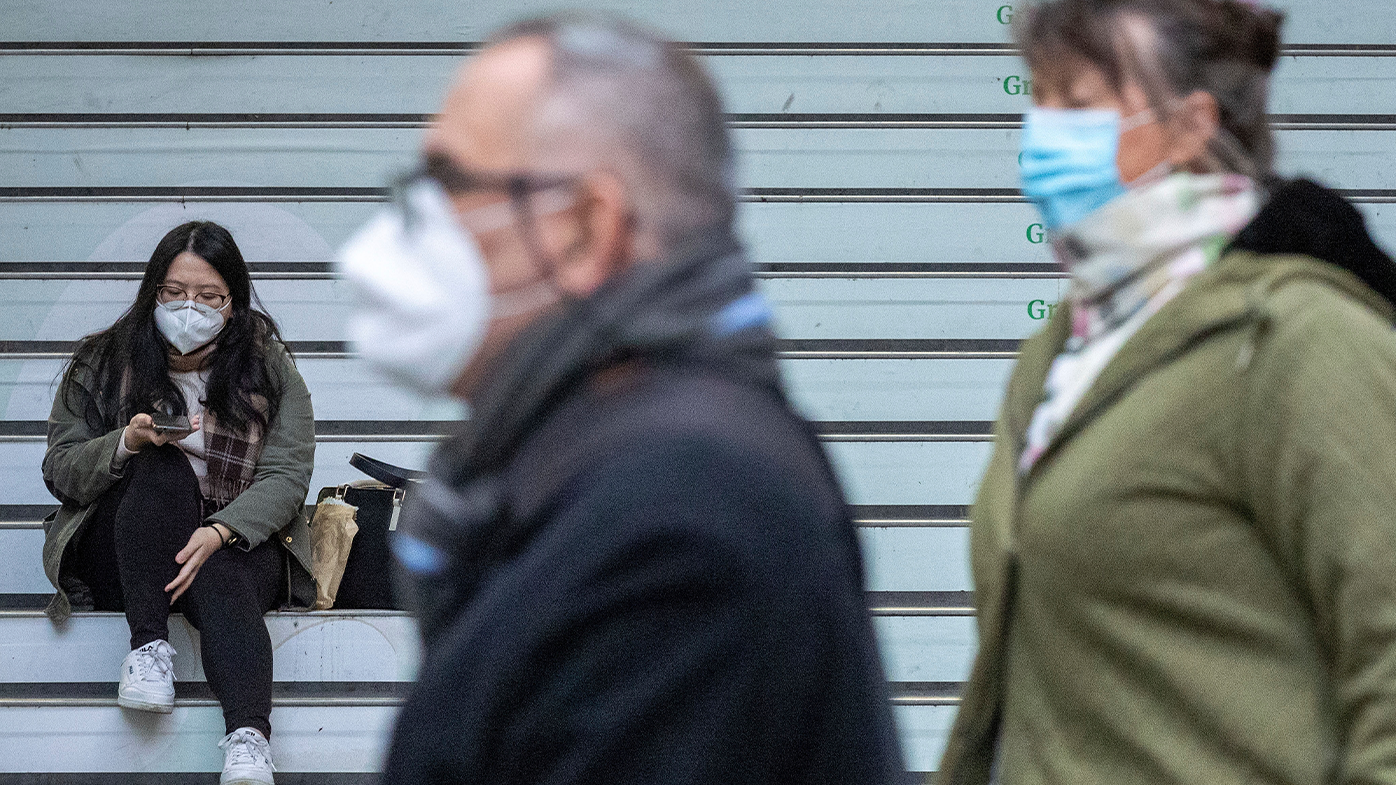
Health experts are alert to a highly mutated COVID-19 variant that has swept the US and may become a common strain as Australia moves into winter.
The BA.3.2 strain, nicknamed cicada, has spread across at least 25 states in the US during a bitterly cold winter wave and has also been detected in two dozen other countries, including Australia.
Here's everything to know about COVID BA.3.2 (cicada).
What is the COVID Cicada variant (BA.3.2)?
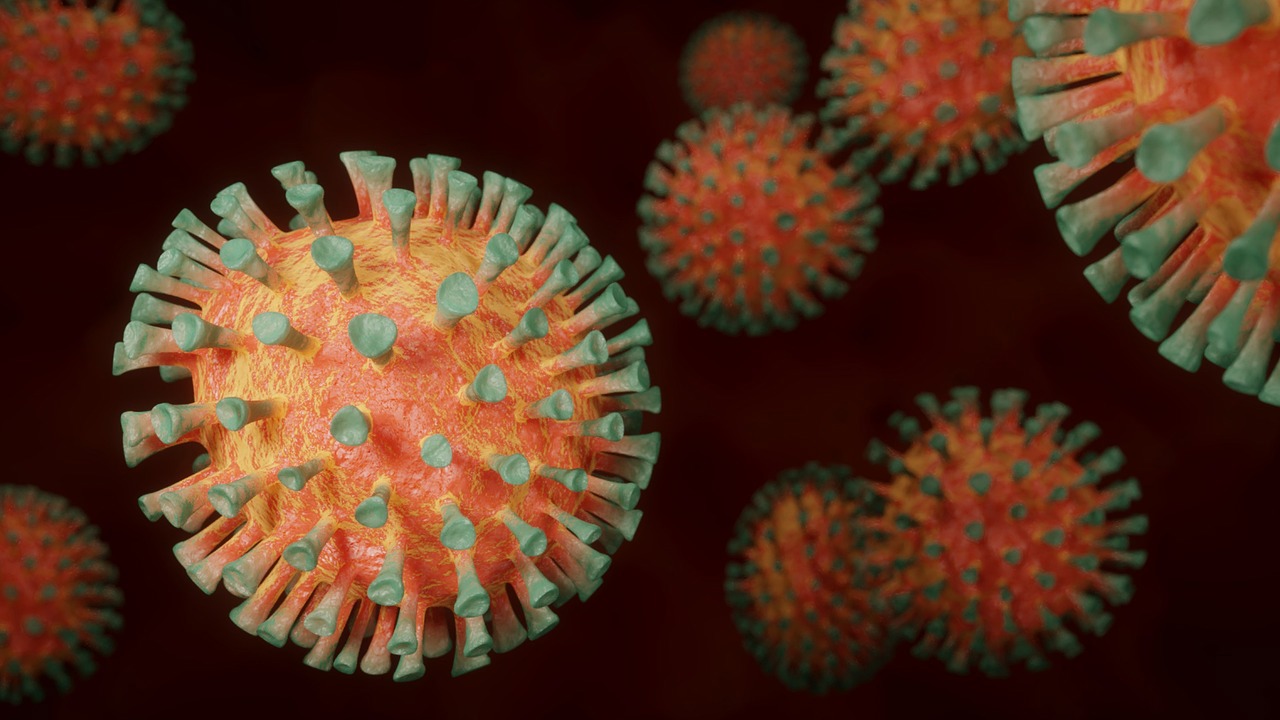
The COVID BA.3.2 variant (COVID Cicada) is a highly mutated version of the Omicron subvariant.
BA.3.2 was first detected in South Africa in November 2024, but cases have recently surged across several continents.
Cicada was marked as a covid variant "under monitoring" by the World Health Organisation on December 5, 2025.
READ MORE: Several countries on tsunami watch after 7.8 magnitude earthquake hits Indonesia
According to the U.S Centre for Disease Control (CDC), detections of BA.3.2 began to increase in September last year and peaked in December across the U.S.
The strain has also filtered across other parts of the northern hemisphere, making up nearly one third of COVID cases in Denmark, Germany and the Netherlands in the last few months of 2025.
As of February 11, 2026, BA.3.2 had been detected in at least 23 countries, including countries in Africa, Asia, Europe, North America, and Oceania.
What are the symptoms of the new Cicada variant?
Symptoms of Cicada include most of your standard signs of COVID-19, such as:
- 'Razor blade' sore throat
- Runny nose
- Cough
- Fever
- Headache
- Fatigue
- Loss of sense of smell and/or taste
- Body aches
- Vomiting
- Diarrhoea
Why is BA.3.2 nicknamed Cicada?
BA.3.2 was nicknamed 'cicada' by American evolutionary biology professor T. Ryan Gregory, according to Today.com.
Gregory coined the variant after its namesake insect, which is dormant underground for several years before emerging.
Similarly, BA.3.2 has been circulating since late 2024, but cases have only recently begun to soar, particularly over an icy winter period in the US.
Has the Cicada COVID-19 variant reached Australia?
Cicada has been lurking across Australia for a while now, in fact our highest rates of the variant occurred last winter.
But Deakin University Epidemiology chair Professor Catherine Bennett said it hasn't become the dominant COVID strain in Australia.
"It did take off, but it didn't take off completely," she said.

"It seems to be taking off in the northern hemisphere at the moment, so more people will bring it back home.
"It may well be a feature of our winter wave in a month or two, but it's not new and we're not as immunologically naive to this variant because it's been around.
Bennett recommends high-risk groups consider a booster dose in the coming month.
"We don't quite know what winter will look like, but it's a timely reminder that people who are recommended to have a booster dose should consider it as we head into April," she said.
"Being vaccinated before the wave starts gives you a couple of weeks to build your immunity."
How is it different to other COVID variants?
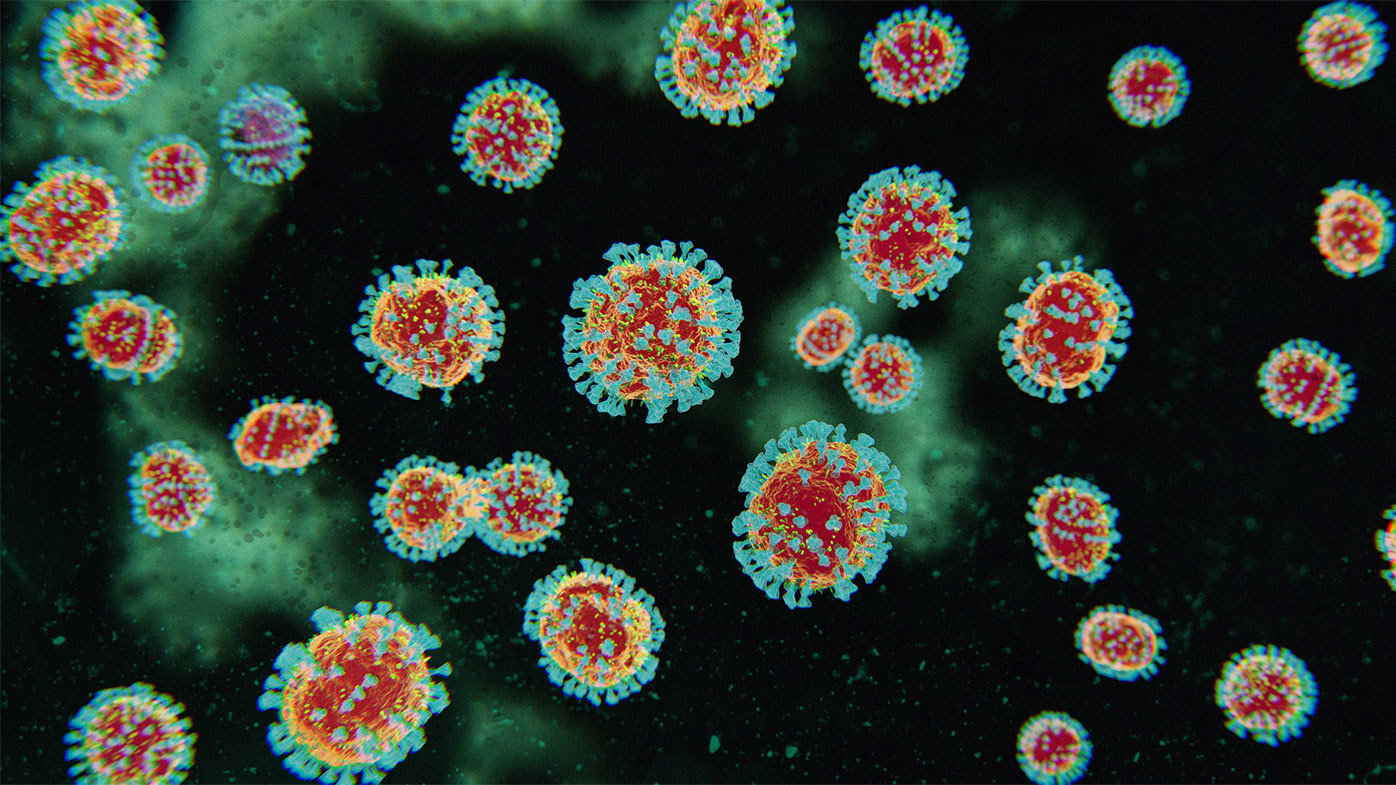
Cicada is a heavily mutated variant of the Omicron strain.
It has additional spike protein mutations, which is what makes it unique from other subvariants.
But it doesn't necessarily present differently to other COVID variants, Bennett said.
"It just means it looks a bit different to our immune system so we don't act as efficiently to fight it off," Bennett said.
Do current COVID-19 vaccines protect against the new strain?
The 2025-2026 COVID-19 vaccines will provide broad protection against COVID-19.
"The vaccines don't specifically target all three or four dominant variants, but you do get some cross-protection," Bennett told nine.com.au.
Recent lab studies found Cicada can evade some antibodies from the vaccine, meaning the chances of infection may be a little higher, even if you are vaccinated, according to the CDC.
"We've already seen it here, it does increase the chance of infection just because it's that bit different to our immune systems," Bennett said.
"You still might have a different risk of coming down with COVID this coming winter, especially if you didn't come into contact with the BA.3.2 variant last year.
"If people have managed to avoid infection in the last few years, particularly if you're in that over-65 sub-group, it's worth talking to their doctors about having a booster dose now."
Is the Cicada variant more dangerous?
There is nothing to suggest COVID BA.3.2 is any worse than previous COVID-19 strains, Bennett said.
"Fortunately, while it's associated with more spread and it's now taking over, more so in the Northern Hemisphere, it's not featuring heavily in hospital cases," Bennett said.
"It doesn't look like it's producing more severe illness."
Bennett said that while previous COVID strains such as Omicron quickly became the dominant variant, Cicada has failed to take hold.
"The other thing that's different now, which emerged through our winter is we didn't see this or any of the other new ones take over completely," she said.

"Usually one takes off and the other disappears, but we [now] have three or four strains that are equally dominant."
A WHO report of BA.3.2 also found the strain poses "low additional public health risk" compared with other circulating Omicron variants.
What should I do if I test positive for the Cicada variant?
The health advice for COVID cicada remains consistent with standard COVID-19 health advice.
The Department of Health advises COVID-positive individuals to stay home until symptoms have subsided.
You can manage and treat your symptoms at home, but if they get worse you should see a doctor.
Wear a face mask in shared areas if you live with others and try to isolate yourself to a separate bedroom and bathroom if you can.
If you have to leave the house, wear a face mask and try to socially distance as much as possible. You should also avoid higher risk settings including aged care facilities, hospitals and other healthcare settings.
If you are in a high-risk group, your doctor can provide you with a free oral antiviral treatment that is designed to to reduce the risk of severe illness from COVID-19.
NEVER MISS A STORY: Get your breaking news and exclusive stories first by following us across all platforms.
Download the 9NEWS App here via Apple and Google Play
Make 9News your preferred source on Google by ticking this box here
- Sign up to our breaking newsletter here